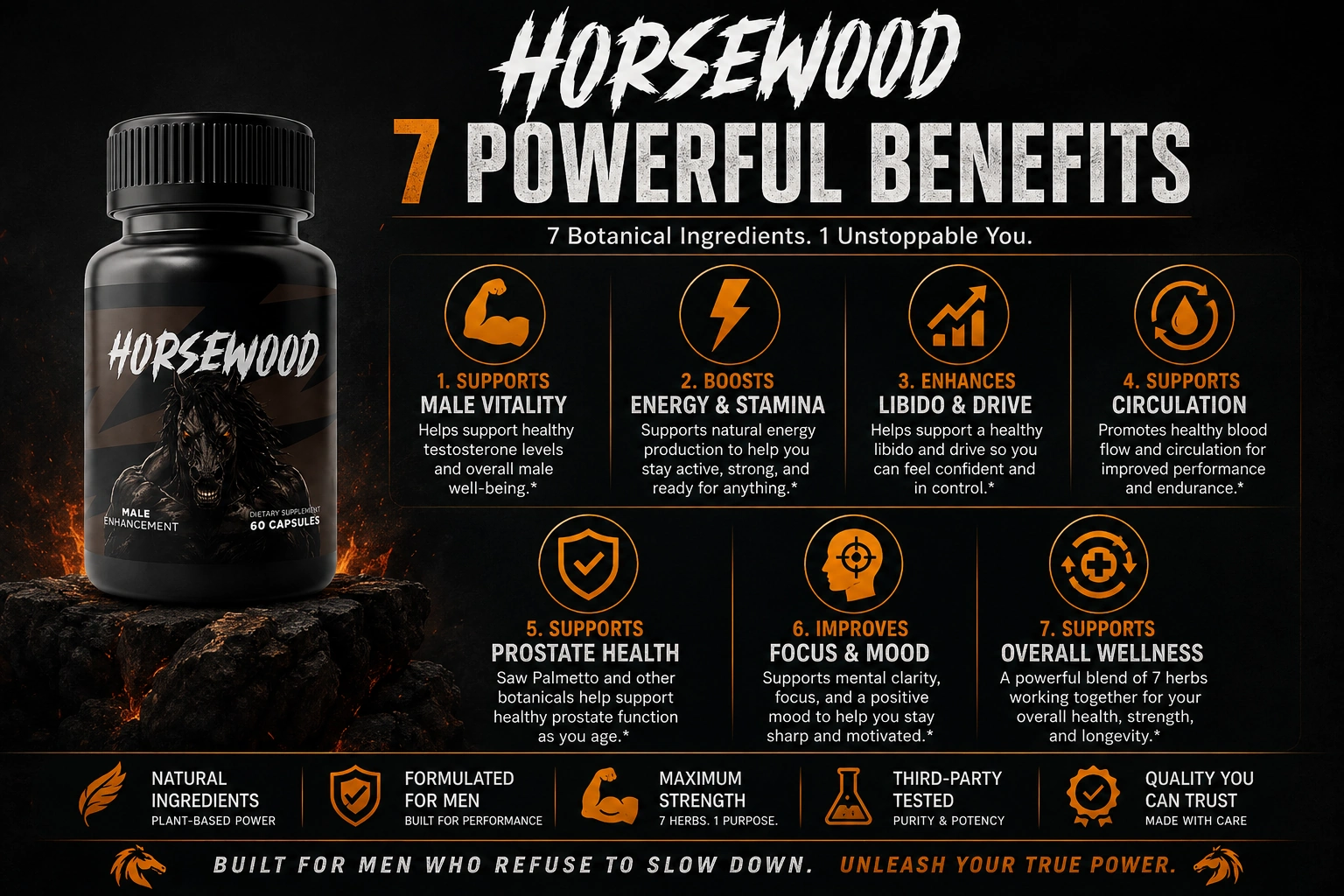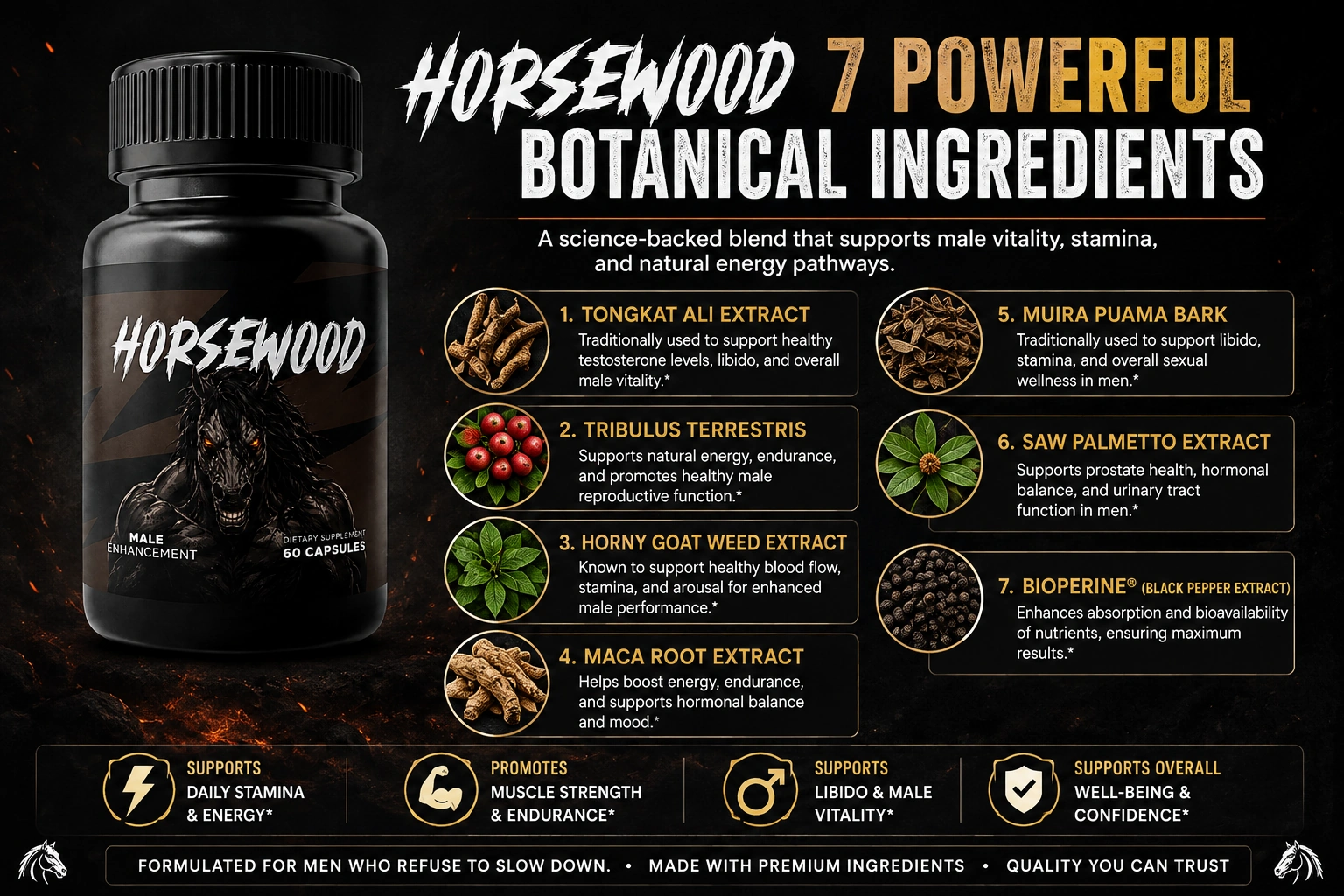
Energy, stamina and drive don't disappear overnight after 40 — they erode gradually, usually from a handful of everyday habits drifting off track. Here are seven that consistently show up in the research on men's health and vitality.
1. Protect seven to eight hours of sleep
Sleep is the single biggest lever most men underrate. Testosterone production, muscle recovery and next-day energy are all tightly linked to consistent, adequate sleep. Fragmented or short sleep — even five or six nights in a row — measurably affects how you feel and perform the next day.
2. Make resistance training non-negotiable
Muscle mass and strength decline gradually after 40 without regular resistance training. Two to three sessions a week — nothing extreme, just consistent — helps preserve strength, supports metabolic health, and is one of the more reliably effective habits for maintaining energy and physical confidence over time.
3. Prioritize protein at each meal
Protein needs don't drop after 40 — if anything, the case for prioritizing it gets stronger, since it supports muscle maintenance alongside resistance training. Building a protein source into breakfast, lunch and dinner is a simple structural change that pays off more than most supplements.
4. Build a real stress-management habit
Chronic stress is one of the largest quiet drains on energy, sleep quality, focus and drive in working-age men. A "real" habit means something you'll actually do on a bad day — a short walk, breathing exercises, or a fixed wind-down routine — rather than an aspirational habit that only survives on easy weeks.
5. Moderate alcohol intake
Alcohol affects sleep quality even when it doesn't feel like it does, and heavier regular intake is linked with lower testosterone and slower recovery. This doesn't mean eliminating it — it means being honest about how much is actually being consumed on a typical week.
6. Keep up with regular checkups
Persistent fatigue, a marked drop in drive, or ongoing circulation-related symptoms are worth mentioning to a doctor rather than working around indefinitely. Regular bloodwork can catch shifts in hormonal, metabolic or cardiovascular markers early, when they're easiest to address.
7. Pick a routine you'll actually keep
The habit that works is the one that survives a busy week. Attaching new habits to something already fixed in the day — capsules with breakfast, a walk after lunch, a wind-down routine before bed — tends to outlast habits that depend on finding extra time or willpower.
Daily supplementation, when used, fits into this same logic: it's a small, consistent input alongside training, sleep and diet — not a substitute for any of them.
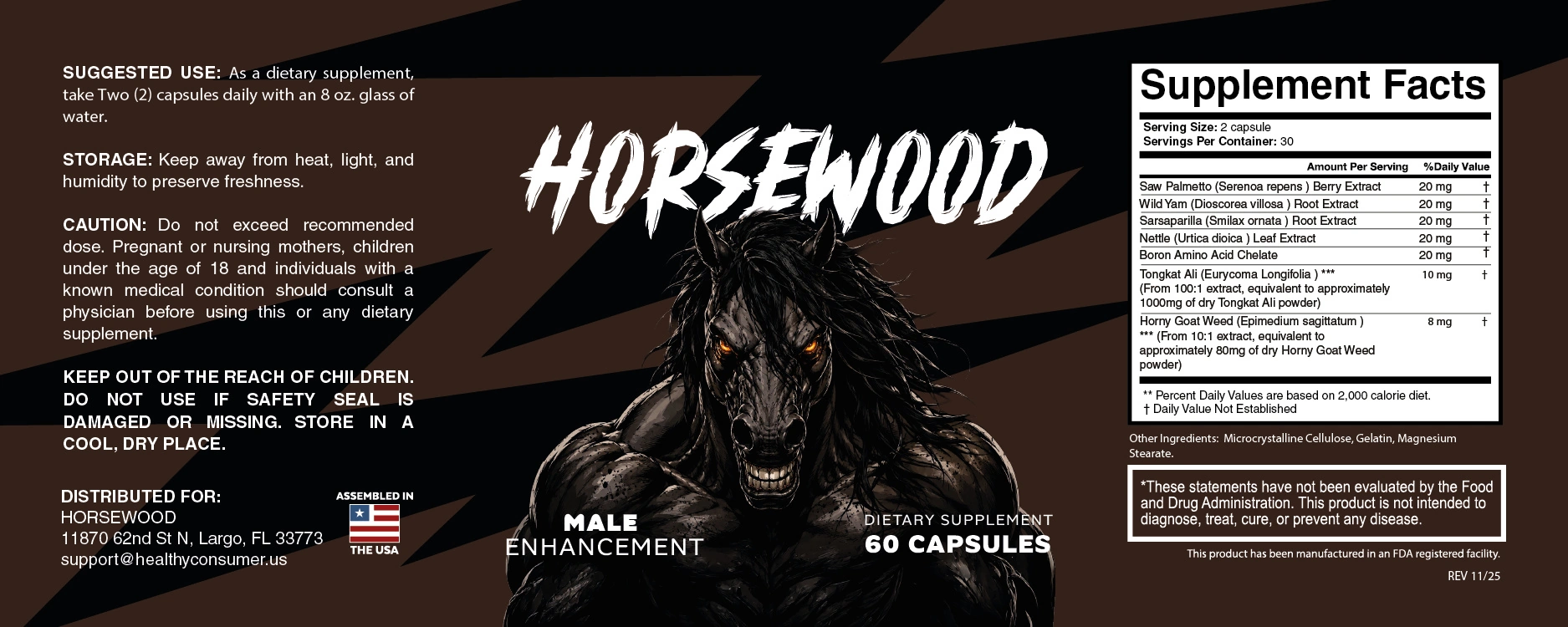
Ready to try Horsewood?
Seven named ingredients, a 60-day guarantee, and no subscription.
Order Horsewood Now