Testosterone-related wellness and daily energy are influenced by a handful of lifestyle factors that consistently show up across the research — more than any single ingredient or product. Here's a practical rundown.
Sleep hygiene comes first
Testosterone production follows a daily rhythm tied closely to sleep, with the bulk of it occurring during deep sleep stages. Consistent sleep and wake times, a dark and cool room, and limiting screens before bed are simple, well-supported changes that outperform most other single interventions.
Strength training and body composition
Regular resistance training is one of the more reliable levers for supporting healthy testosterone-related wellness pathways and maintaining energy over time. Compound movements — squats, deadlifts, presses — tend to have the broadest effect, and consistency matters more than intensity for most men.
Weight management
Excess body fat, particularly around the midsection, is linked with lower testosterone levels in men. This doesn't require an extreme diet — a modest, sustainable calorie deficit combined with strength training tends to produce the most durable results, and durability matters more than speed here.
Alcohol moderation
Heavier regular alcohol intake is associated with lower testosterone and disrupted sleep, which compounds the effect further. Moderating intake — rather than eliminating it entirely — is a realistic target for most men and tends to have a noticeable effect on next-day energy.
Micronutrients worth tracking
Zinc, magnesium and vitamin D all play recognized roles in normal hormonal and muscular function, and deficiencies in any of them are common enough to be worth checking via routine bloodwork. Diet is the first place to look — but for men who are consistently falling short, targeted supplementation can be a reasonable addition alongside, not instead of, dietary changes.
Putting it together
None of these factors work in isolation — sleep affects training recovery, training affects body composition, body composition affects hormonal wellness, and stress touches all of it. The realistic approach is picking two or three of the above to focus on consistently, rather than trying to overhaul everything at once. A daily supplement, if used, fits in as one small, consistent input alongside these bigger levers — not a replacement for them.
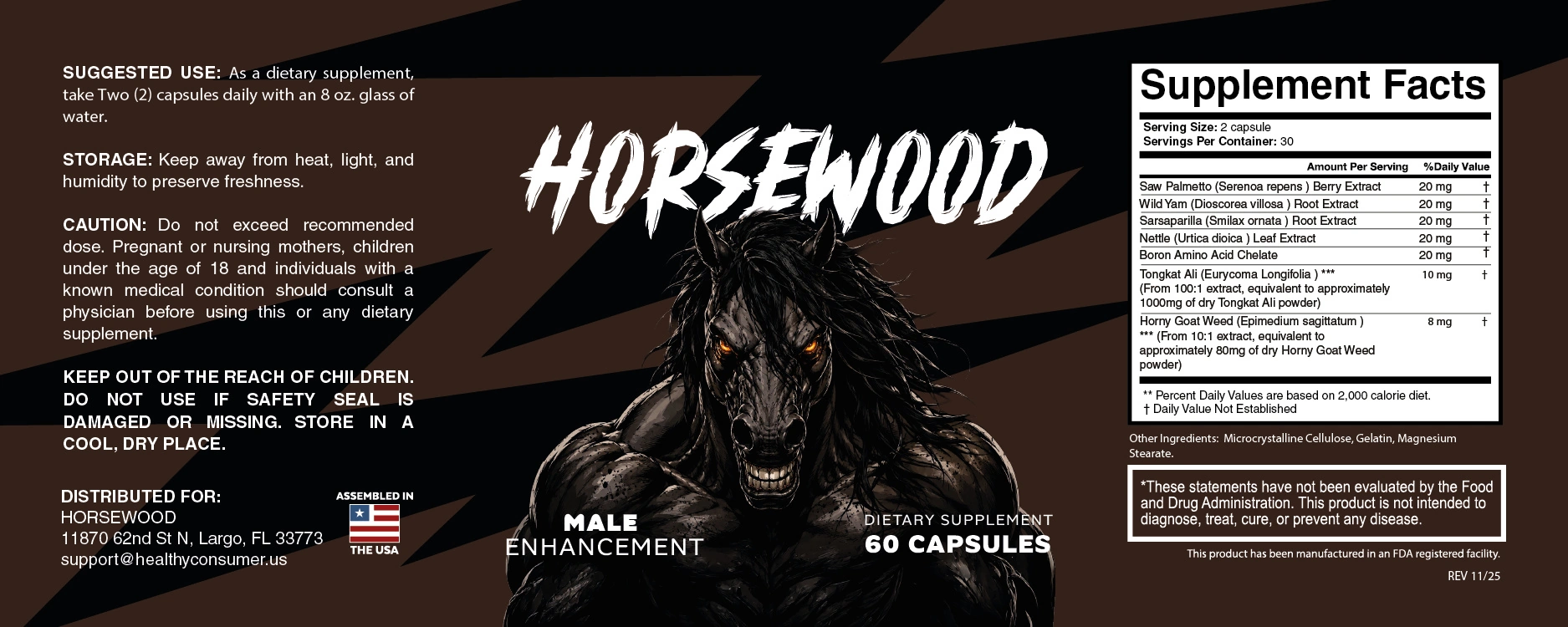
Ready to try Horsewood?
Seven named ingredients, a 60-day guarantee, and no subscription.
Order Horsewood Now