
Low energy is one of the most common complaints men raise after 40 — and one of the hardest to pin down, because so many overlapping factors can contribute. Here's a rundown of the everyday causes, and the signs that mean it's time to see a doctor rather than try another fix on your own.
The everyday causes
Most low-energy complaints trace back to a handful of familiar culprits: inconsistent sleep, high and unmanaged stress, a diet light on protein and heavy on processed food, insufficient physical activity, and gradual weight gain. None of these are dramatic on their own, but stacked together over months or years, they add up to a noticeably lower baseline.
Sleep debt
Chronic short sleep — even just an hour less than needed, night after night — has a cumulative effect on energy, mood and focus that most people underestimate. It's often the first place to look, and frequently the easiest to fix once it's identified as the issue rather than assumed to be "just getting older."
Cumulative stress load
Ongoing stress — work, financial, family — is one of the largest quiet drains on daily energy in working-age men. Unlike age itself, stress load is genuinely modifiable, whether through workload changes, support systems, or dedicated stress-management practices.
Diet and body weight
Energy crashes are frequently tied to blood-sugar swings from meals heavy in refined carbohydrates and light on protein and fiber. Gradual weight gain — particularly visceral fat — is also independently associated with lower energy and is worth addressing through sustainable, not extreme, changes.
Warning signs that warrant a doctor's visit
Some patterns are worth raising with a doctor rather than working around. These include energy loss that's sudden or severe rather than gradual, fatigue that doesn't improve with better sleep and diet over several weeks, unexplained weight loss or gain, persistent low mood alongside the fatigue, or any new cardiovascular symptoms like chest discomfort or shortness of breath. Persistent difficulty in other areas of physical performance is also worth mentioning directly to a doctor, since it can sometimes be an early signal of underlying cardiovascular or metabolic issues, worth catching early.
What to do next
Start with the fundamentals — sleep, stress, diet and activity — for a few consistent weeks before assuming something is fundamentally "wrong." If energy remains low despite genuine effort on those fronts, or if any of the warning signs above apply, book an appointment and get bloodwork done rather than guessing. A daily supplement can be a reasonable part of a broader routine once the fundamentals are in place — but it isn't a substitute for identifying what's actually driving persistent fatigue.
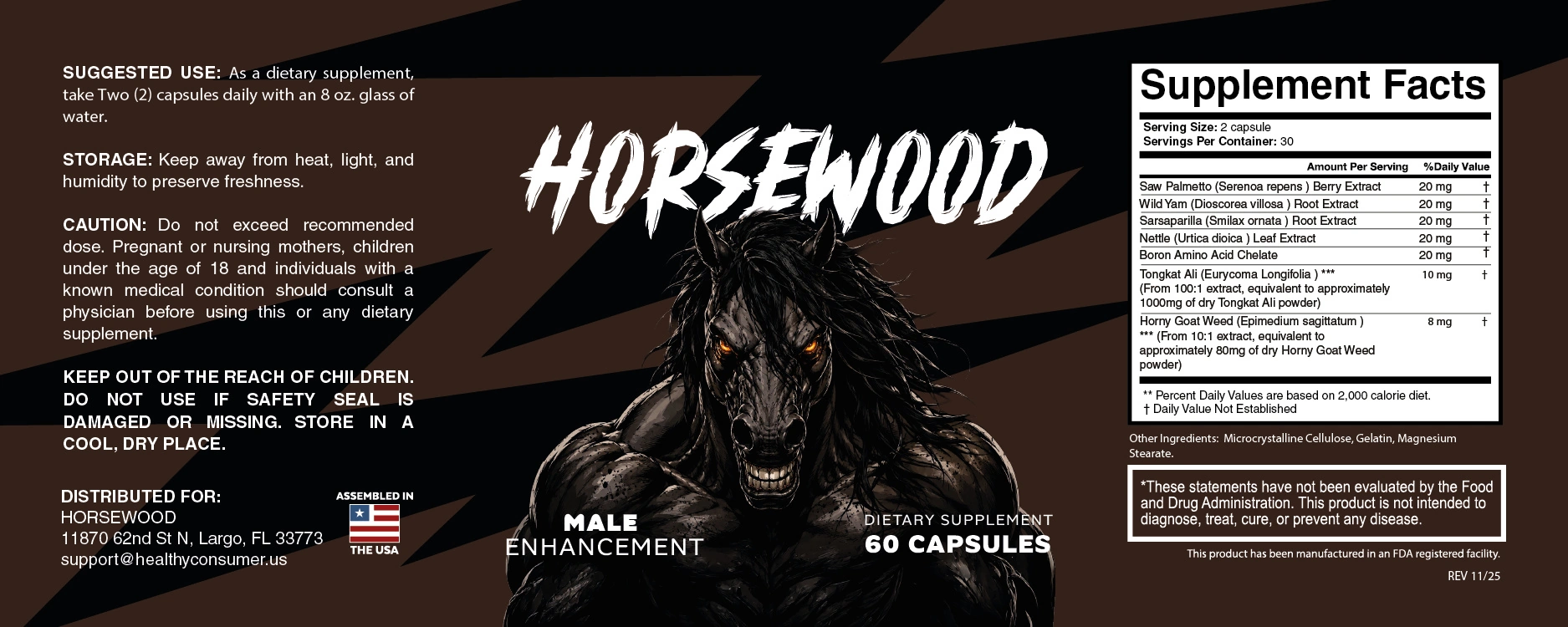
Ready to try Horsewood?
Seven named ingredients, a 60-day guarantee, and no subscription.
Order Horsewood Now